AN INDUSTRY SKILLS REVOLUTION
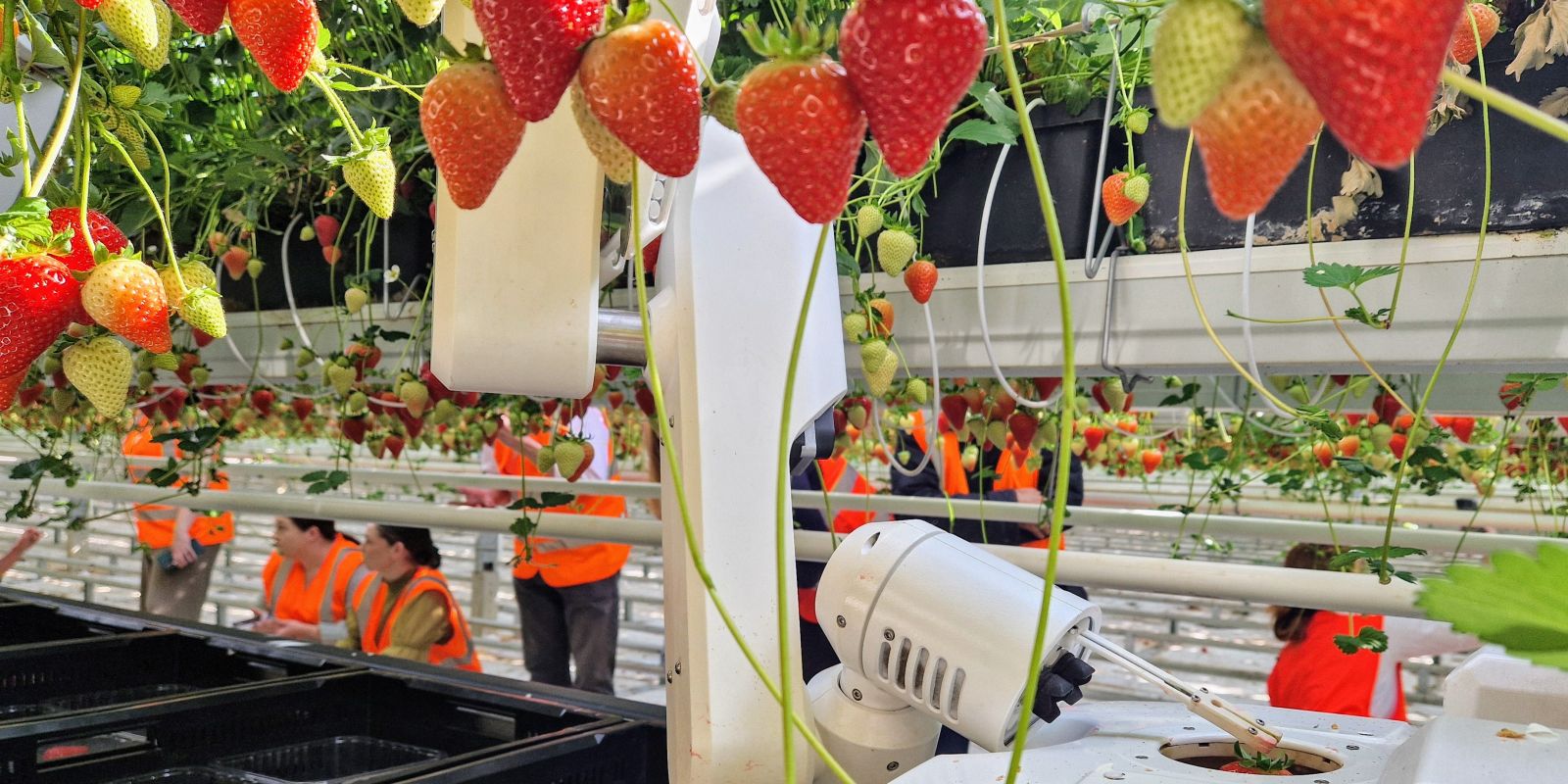
Welcome to this month’s bumper edition with a focus on employment and skills. Greater Lincolnshire’s farming, food processing, food storage, transport and their direct suppliers such as food packaging or farm machinery, together employ over 75,000 people requiring a diverse range of skills to keep the wheels turning.
We boast some distinct food industry clusters including highly focused academic and research expertise and industry-led education courses at all levels, but substantial growth in the food chain can only be achieved through increases in labour productivity, which means continually embracing new digital skills and ensuring we upskill the existing workforce for new technology.
Alongside the UK Food Valley, the Greater Lincolnshire Growth Hub and Careers Hub are busy providing a range of exceptional programmes and services focused on strong and sustainable economic growth by putting skills for businesses at their core and Lincolnshire County Council is proud to manage all of these services.
The food and farming supply chain is not only dependent on those who work directly on farms or in food processing but also relies on input suppliers, contractors and downstream employees who distribute its products.
Industry recognises that recruitment remains a challenge and that growth will need to be met through a continued focus on increased productivity rather than workforce. As industry migration has fallen, we have been successful in attracting new UK workers – many bringing skills from other sectors, which is already helping to deliver new technologies. However, regional population trends and birthrate forecasts indicate that mid-long term recruitment challenges are likely to continue.
National data from the Department for Education shows that after peaking in 2025-26 the school population will begin to fall meaning a fall in the number of new workers entering the workforce before 2032, accelerating rapidly by 2040 when numbers of school aged children will have fallen by 10%.
We boast some distinct food industry clusters to include highly focused academic and research expertise and industry led education courses at all levels, but substantial growth in the food chain can only be achieved through increases in labour productivity, which means embracing new digital skills and ensuring we upskill the existing workforce for new technology.
These challenges are not unique to the food and farming sector. The Modern Industrial Strategy in June 2025 strongly emphasises the need to develop the skills needed to support the 8 priority sectors for growth (the I8), including advanced manufacturing and agritech.
But the Industrial Strategy also raised a serious challenge that only 9% of secondary vocational learners in the UK are studying subjects in engineering, manufacturing and construction, compared to the OECD average of 32%. As the food chain invests in large factories, cold stores, glasshouses, we must have the skills needed to build and maintain the equipment and facilities needed, and so must invest more into STEM subjects to grow the engineers, scientists and construction staff needed to build the infrastructure and systems of tomorrow.
So - what does the industry need to do?
Whilst challenges are deep rooted, there are some key areas which can be addressed.
Firstly, we need to increase the number of young people studying and gaining STEM skills for the food chain, both in traditional areas such as agronomy and food science, as well as the rapid growth in the demand for construction, engineering and digital skills. Lincolnshire has already increased investment in these subjects substantially, with the Lincoln Institute for Technology, the new Riseholme College development, digital and engineering centres in Boston College, at the University of Lincoln and many others. But in an industry which needs 3,000 new staff a year, there is still further to go.
Secondly, we need to see an increase in CPD and informal knowledge exchange programmes to help the existing workforce build skills to adopt new productivity enhancing technologies in the end to end food chain. Arguably whilst we have many small programmes focused on this, we don’t yet have the large, long-term programmes found elsewhere in countries such as Eire or the Netherlands.
Positively, the examples in this newsletter show that the food industry in Greater Lincolnshire is working with education providers to help create the future skills needed. In particular, the need for new STEM skills has been recognised, with multiple new courses, more students and a strong R&D and innovation base to support the industry. But more is needed as key future skills include engineering, digital and AI, business management, sustainability, and people skills.
Meanwhile a new round of opportunities for employers, providers, and other local stakeholders is poised to launch to inform and shape the next Greater Lincolnshire Local Skills Improvement Plan that will be published in summer 2026, and we urge employers to look out for this and get involved. It is critical that the industry engages with this process, so that we can ensure that future funding and the prioritisation of education investment meets industry needs and we encourage you all to participate as the process gains momentum over the next few months when the consultation begins.
Food industry skills are vital to our economy and the growing success of the UK Food Valley as we continue to move towards our status as a Top 10 Global Cluster.